
Across different formats and languages, the same passion for telling stories.
A selection of works directed, written, and edited by Tatiana Nequete Machado, bringing together different formats, languages, and experiences throughout her trajectory in audiovisual storytelling.
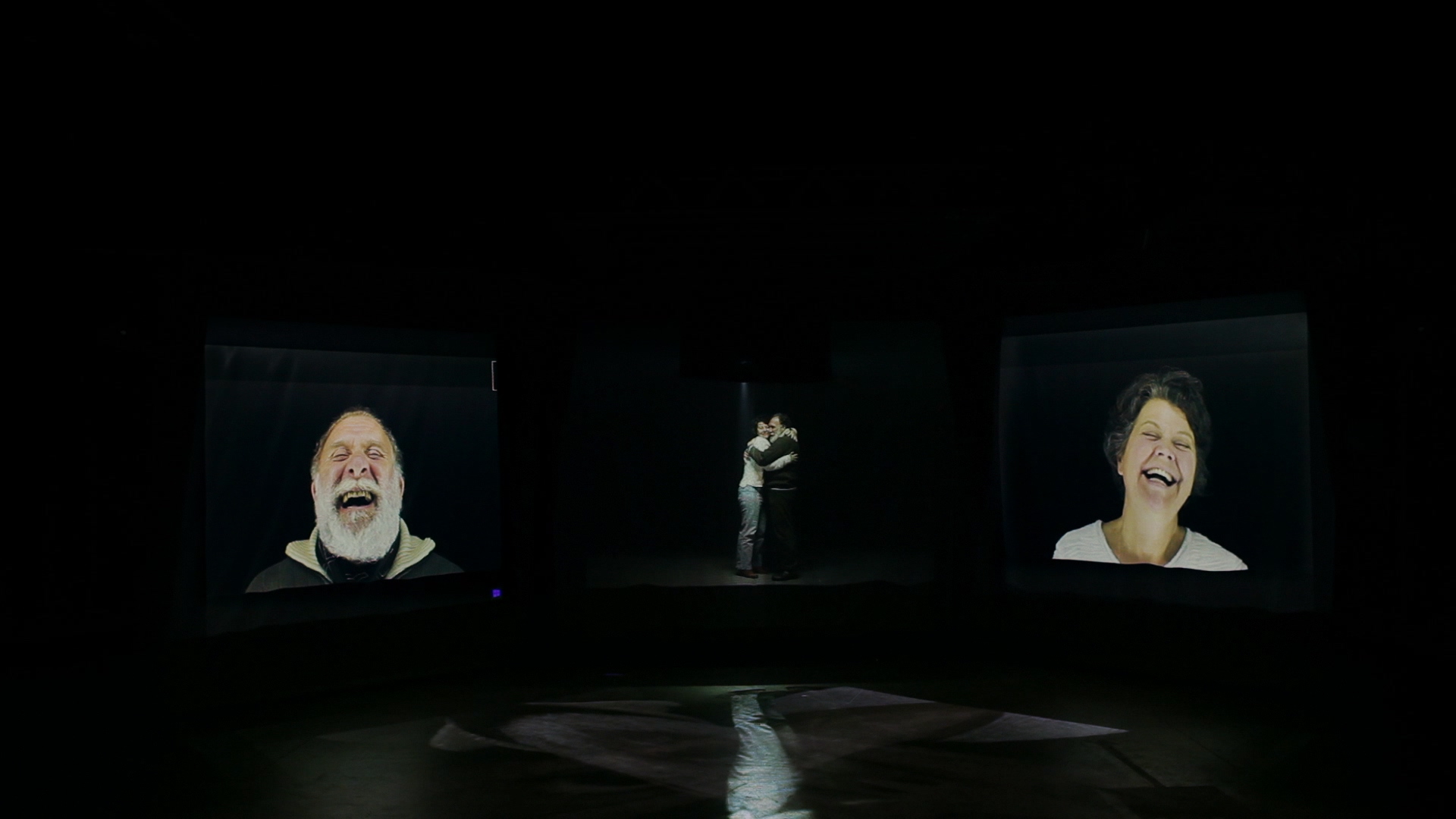
Caixa-Preta
Medium-length documentary directed by Tatiana Nequete and Frederico Pinto, produced by Okna Produções.
The film brings together interviews with some of the leading speakers from Fronteiras do Pensamento 2018, beginning with a simple and provocative question: what message would you leave in a black box for future generations?
Amós Oz, Carlo Rovelli, Eduardo Giannetti, Gilles Lipovetsky, Jan Gehl, Leonardo Padura, Deirdre McCloskey, Niall Ferguson, Susan Pinker, and Thomas Piketty are invited into the black box of a studio to share their reflections on contemporary society.
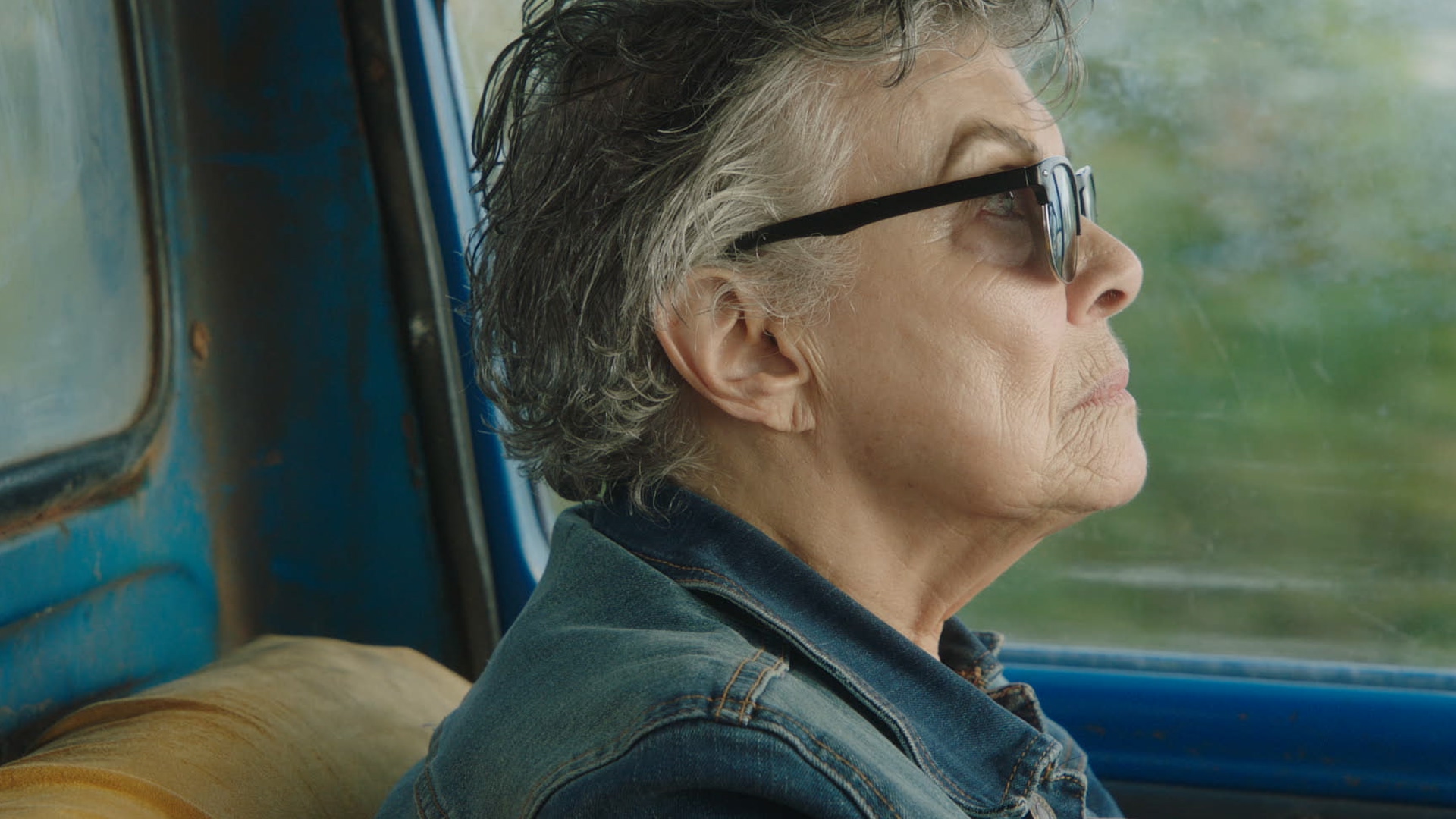
Sonhos de Velásquez
Feature fiction film currently in post-production, directed by Tatiana Nequete and Frederico Pinto, and produced by Armazém de Imagens, Bactéria Filmes, Druzina Content, and Castelo de Proa.
A teenage girl who dreams of seeing the sea accidentally joins her 75-year-old grandmother's escape across the border between Brazil and Uruguay to reunite with the forbidden love of her youth. On the road, two generations of women from the same family discover that, despite the distance between their worlds, they are both fighting against the same constraints.
In addition to co-directing, Tatiana Nequete also signs the film's editing and screenplay, in partnership with director Frederico Pinto.
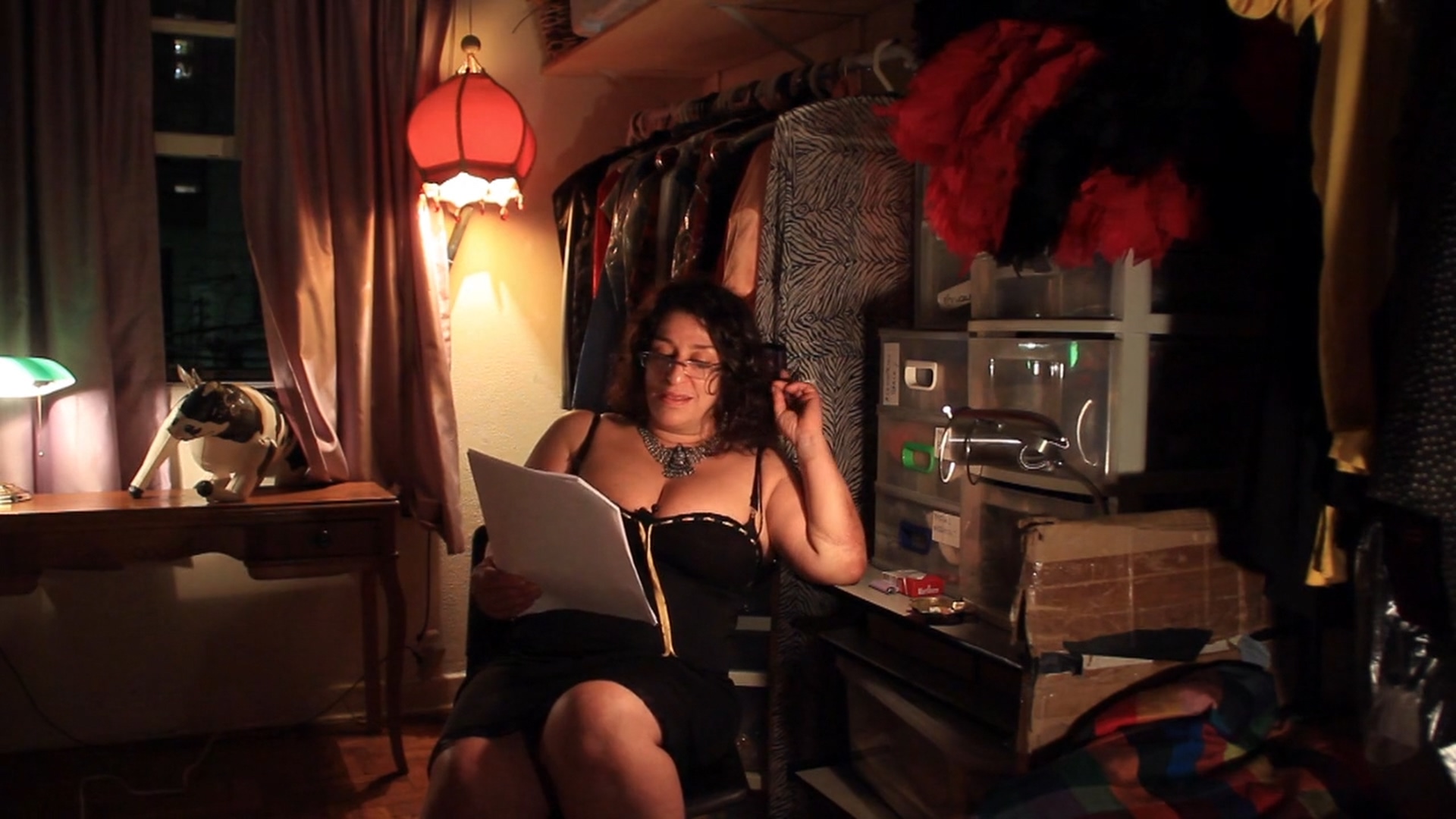
Sobre Sete Ondas Verdes Espumantes
Poetic documentary about the life and work of Caio Fernando Abreu, directed by Bruno Polidoro and Cacá Nazário, and produced by the now-defunct Besouro Filmes, the company in which Bruno Polidoro and Tatiana Nequete were partners.
The film retraces the paths traveled by the writer through different phases of his life and literature, rebuilding his trajectory through cities, texts, images, and memories.
Santiago, Amsterdam, Berlin, Cologne, Paris, London, Porto Alegre, and São Paulo. Cities that witnessed the short life of the poet, playwright, and writer Caio Fernando Abreu (1948–1996) are revisited and recovered through fragments of his work and the memories of his friends, including Maria Adelaide Amaral and Adriana Calcanhotto.
Tatiana Nequete co-wrote the screenplay with the directors and also edited the film.
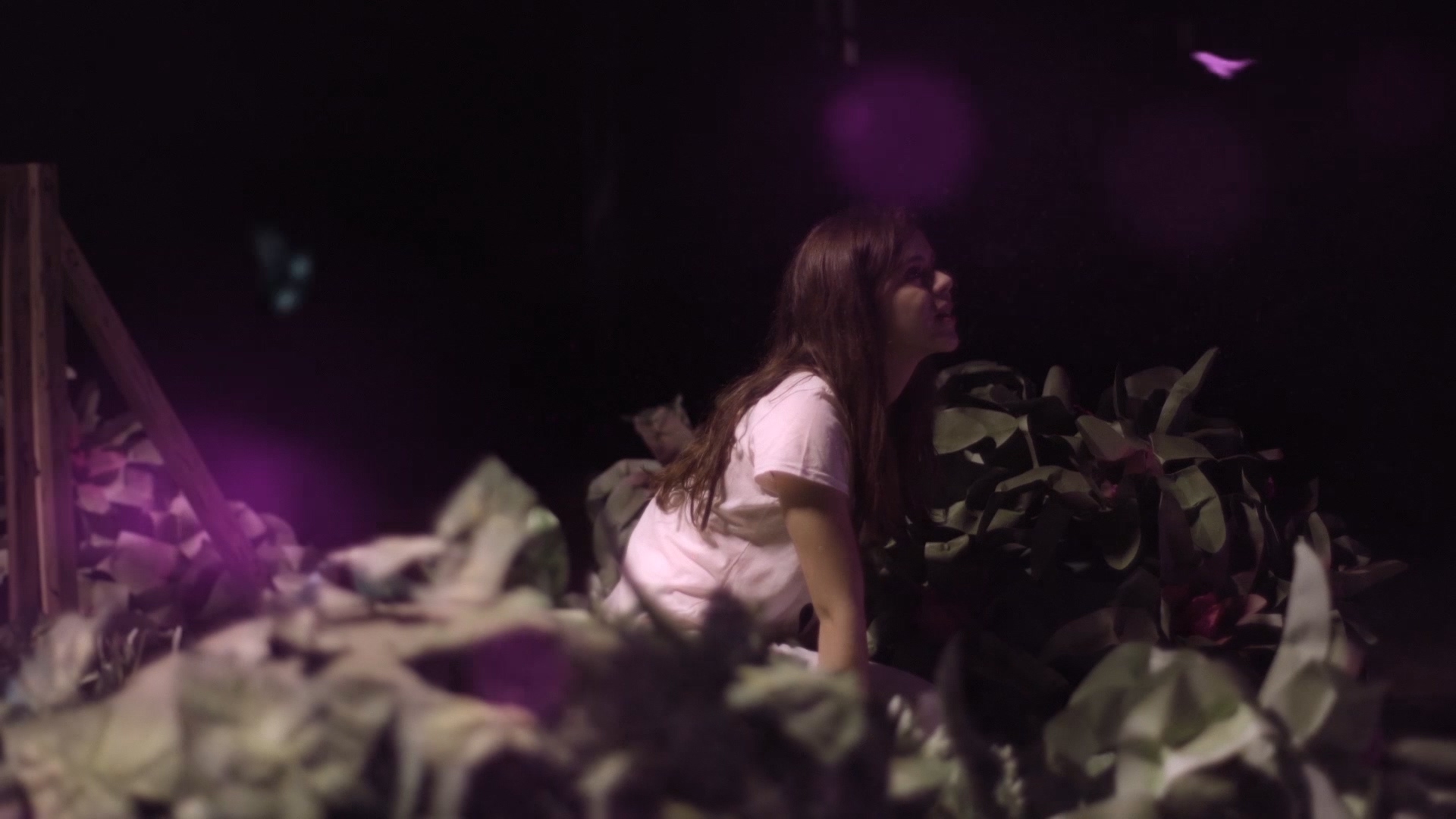
Oráculo das Borboletas Amarelas
Children's and youth fiction series with 13 episodes of 26 minutes, created, written, and directed by Tatiana Nequete.
Winner of the ComKids / Prix Jeunesse Iberoamericano Trophy in 2021.
After her grandfather's cancer forces her to leave the countryside for the big city, a 13-year-old girl who loves butterflies arrives at a new school and draws close to the most troubled students in her class. With the help of an oracle she creates herself, she will discover that every person hides far more than they reveal.
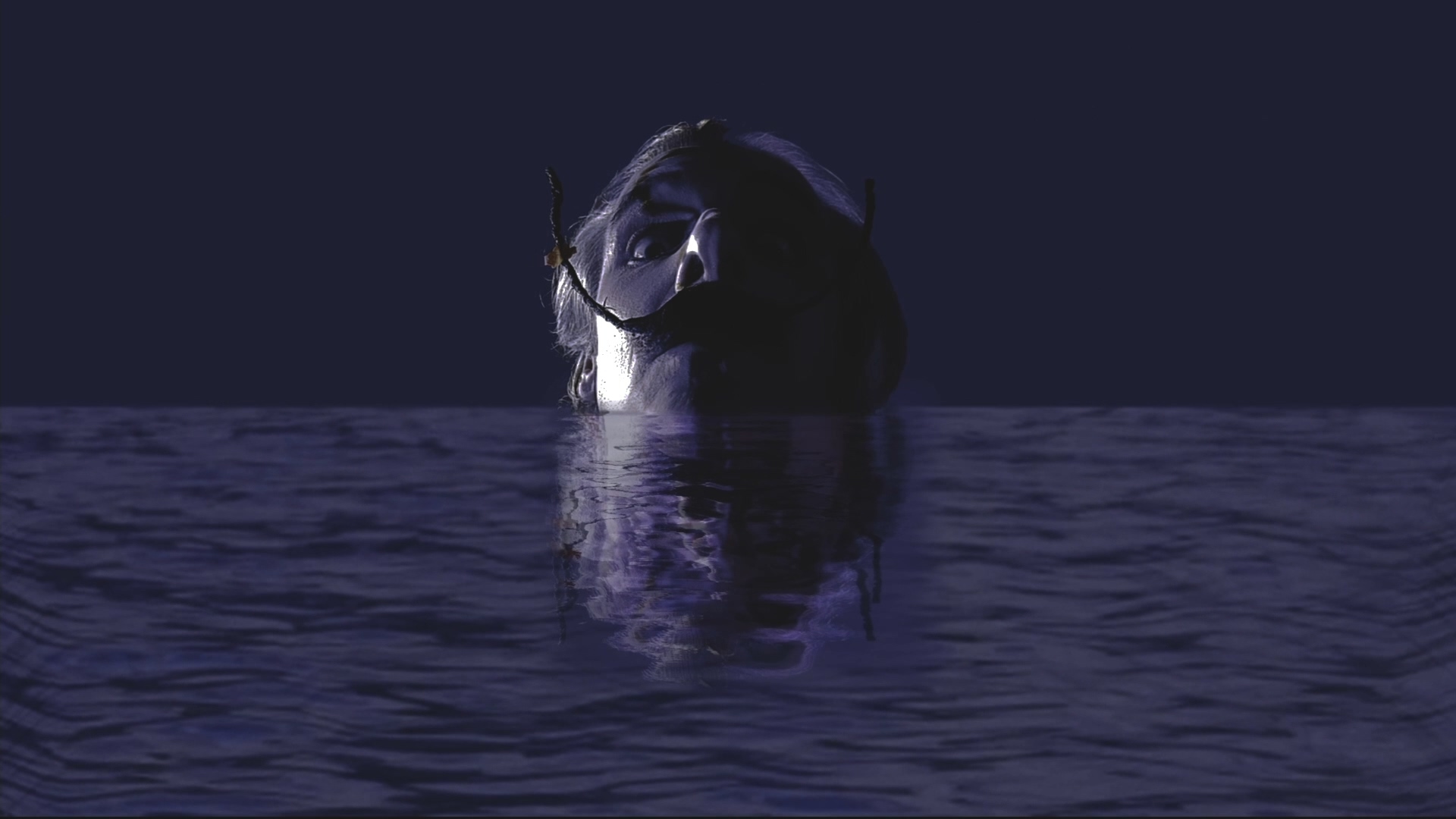
Dalí Video-Espetáculo
Video version of the stage production Dalí, directed by Heloísa Nequete and Tatiana Nequete, winner of the Açorianos Trophy for Best Circus Performance in 2021.
Directed by Luciano Mallmann and created by Heloísa Nequete and Tatiana Nequete in partnership with Eduardo Souza, the production uses circus language to build, in a dreamlike way, the trajectory of painter Salvador Dalí.
The video version brings together performances by circus artists such as Heloísa Nequete, Roberta Alfaya, Dominique Martins, Guilherme Gonçalves, and Zeca Padilha.
In addition to co-directing, Tatiana Nequete also signs the production and editing of the project.
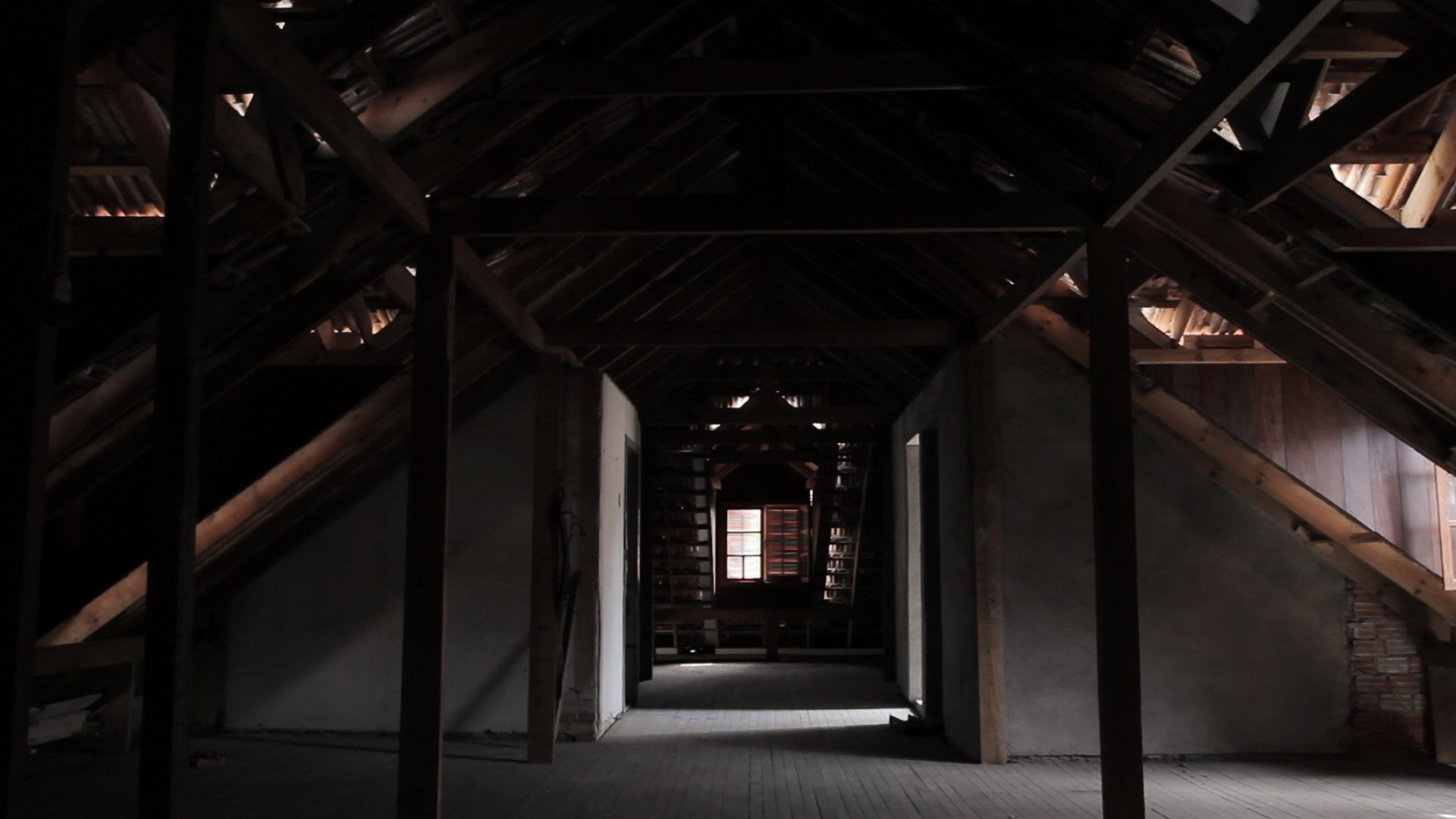
Realidade como Ficção
Medium-length documentary directed by Tatiana Nequete and Frederico Pinto, produced by Okna Produções.
Blending documentary and fiction, the film follows a group of actors in the middle of a creative process as they interview thinkers Robert Darnton, Ian McEwan, Michel Houellebecq, Peter Sloterdijk, and Mario Vargas Llosa, seeking to understand the limits, intersections, and contradictions between fiction and reality.
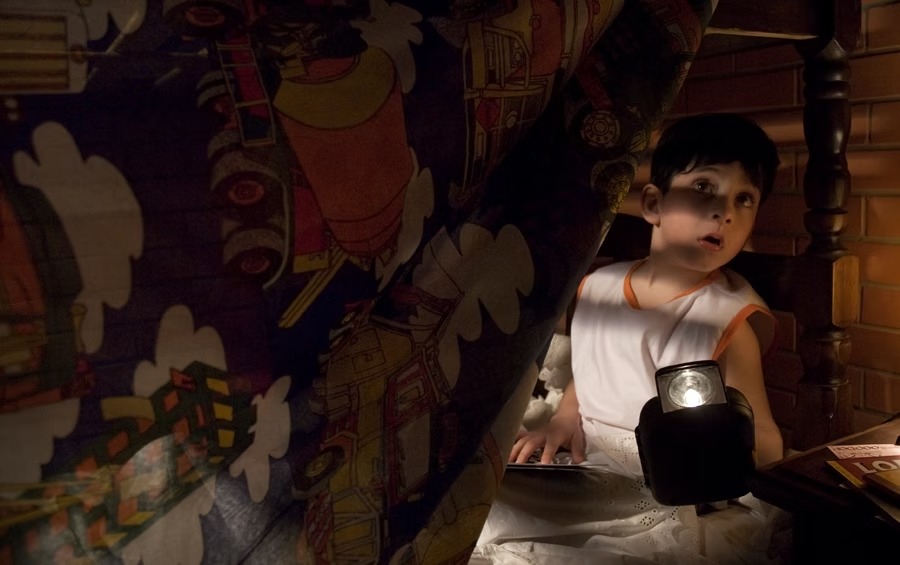
As Férias de Lord Lucas
Fiction short film directed by Tatiana Nequete and written by Tatiana Nequete and Luís Mário Fontoura.
The film marked Tatiana Nequete's debut as a director and screenwriter.
During summer vacation, Lucas, an 8-year-old boy, notices strange changes in his sister Grazi's behavior. She no longer wants to go to the beach, has been hanging out with suspicious people, and, on top of that, has appeared with a very suspicious mark on her neck. Lucas concludes that she has become a vampire and blames Vítor, Grazi's new boyfriend, for it. He then sets out on a life-or-death battle against the one he believes to be the 'Master Vampire', determined to free his sister from this terrible curse.
• Histórias Curtas Award 2008: Best Actor, Artur Quadros; Best Supporting Actress, Lurdes Eloy; Best Screenplay, Tatiana Nequete and Luís Mário Fontoura.
• Best Film, Prix Jeunesse Iberoamericano, 2009, 7–11 category.
• Prix Jeunesse International 2010: Next Generation Prize.
• FICI 2011: Best Fiction Film.
The film also received additional recognition at national and international festivals throughout its run.
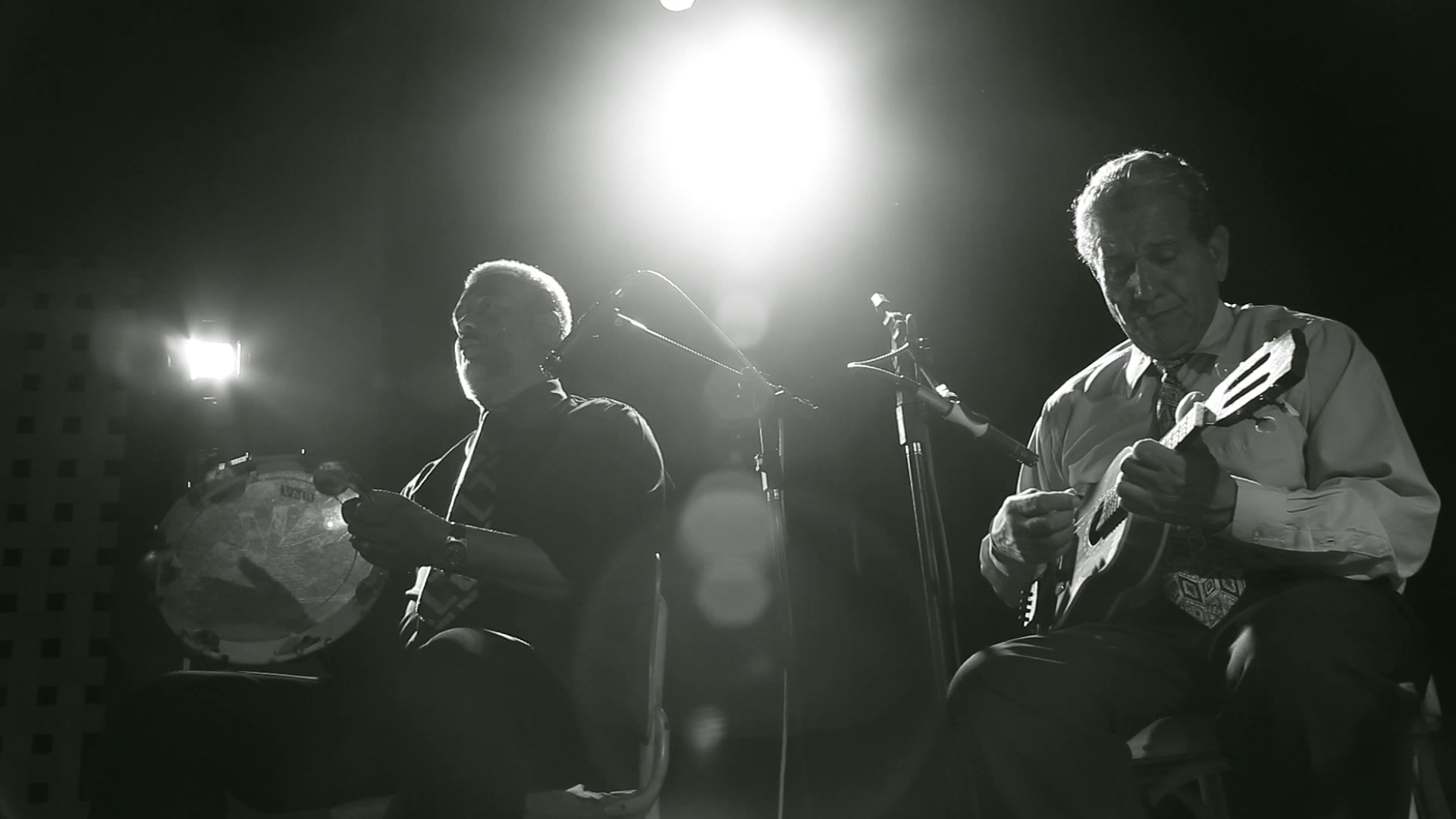
Fez a Barba e o Choro
In a sidewalk barbershop in a neighborhood in the northern area of Porto Alegre, Seu Machado, Professor Menoti, Soninha, Cássio, and the brothers Camanga and Camanguinha come together to keep alive a friendship that has lasted for more than four decades.
Between haircuts, shaves, and stories gathered over the years, every Saturday night the group brings friends together, closes the barbershop, and turns the place into a stage for an affectionate choro session.
• Best Score, Bunker Studio, Assembleia Legislativa Showcase at the Gramado Festival, 2012.
• Best Cinematography, Bruno Polidoro, Assembleia Legislativa Showcase at the Gramado Festival, 2012.
• Best Film, FECIM, 2014.
• Best Documentary, Curtadoc, Chile, 2014.
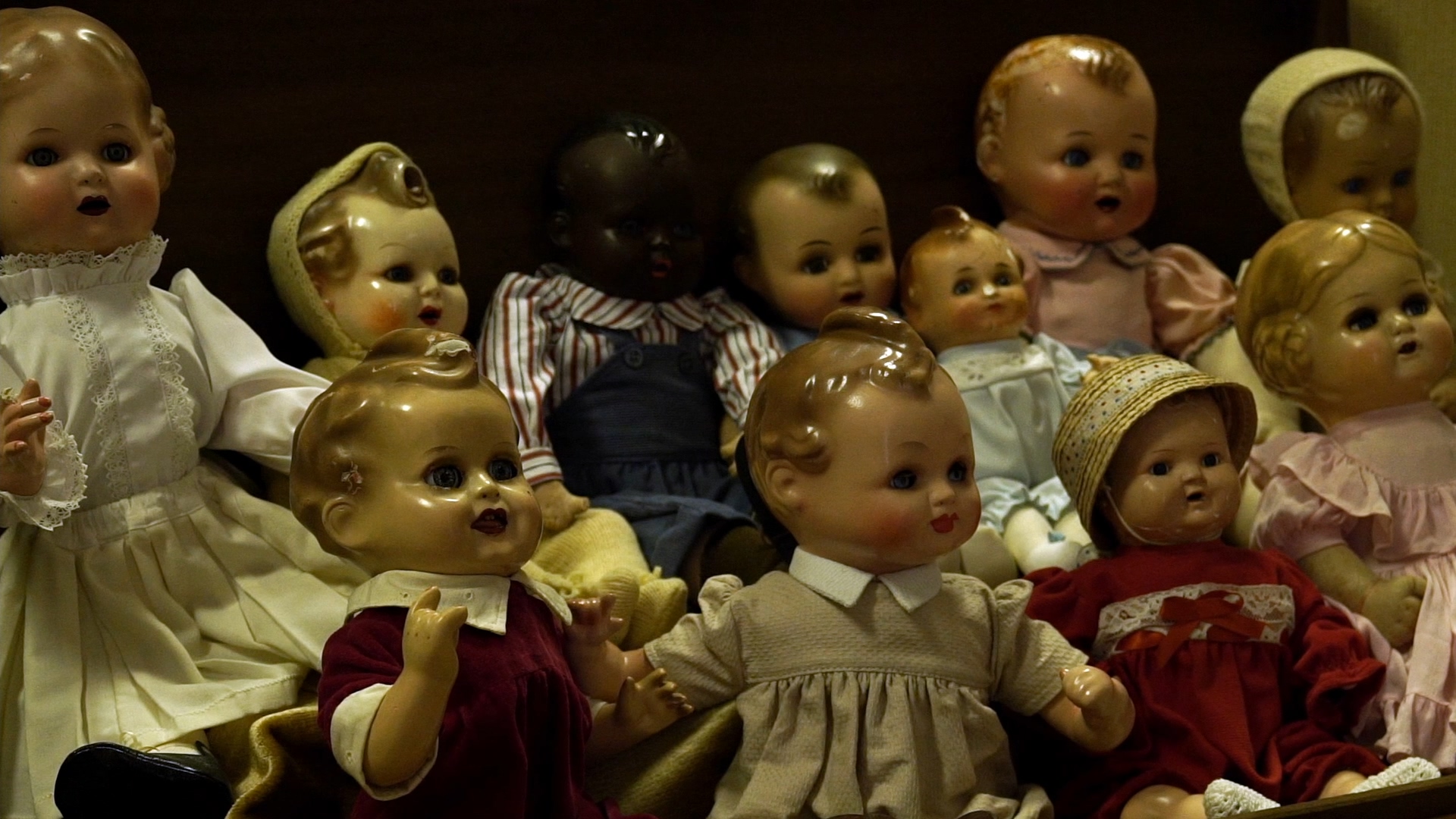
Casa de Bonecas
Video installation presented at the Imagens do Tejo festival in 2022.
Created from images captured at the Museu Hospital de Bonecas in Lisbon, the work dives into its creator's imagination, starting from her automatonophobia to investigate the unsettling border between playfulness, storytelling, and the symbolism of dolls in Latin American feminist fantastic literature.
The installation articulated three simultaneous screens, dolls distributed throughout the exhibition space, and readings from texts by Patrícia Estebán Erlés and Rosario Ferré, composing an audiovisual experience suspended between enchantment and the uncanny.